Invest or Buy Cheap?

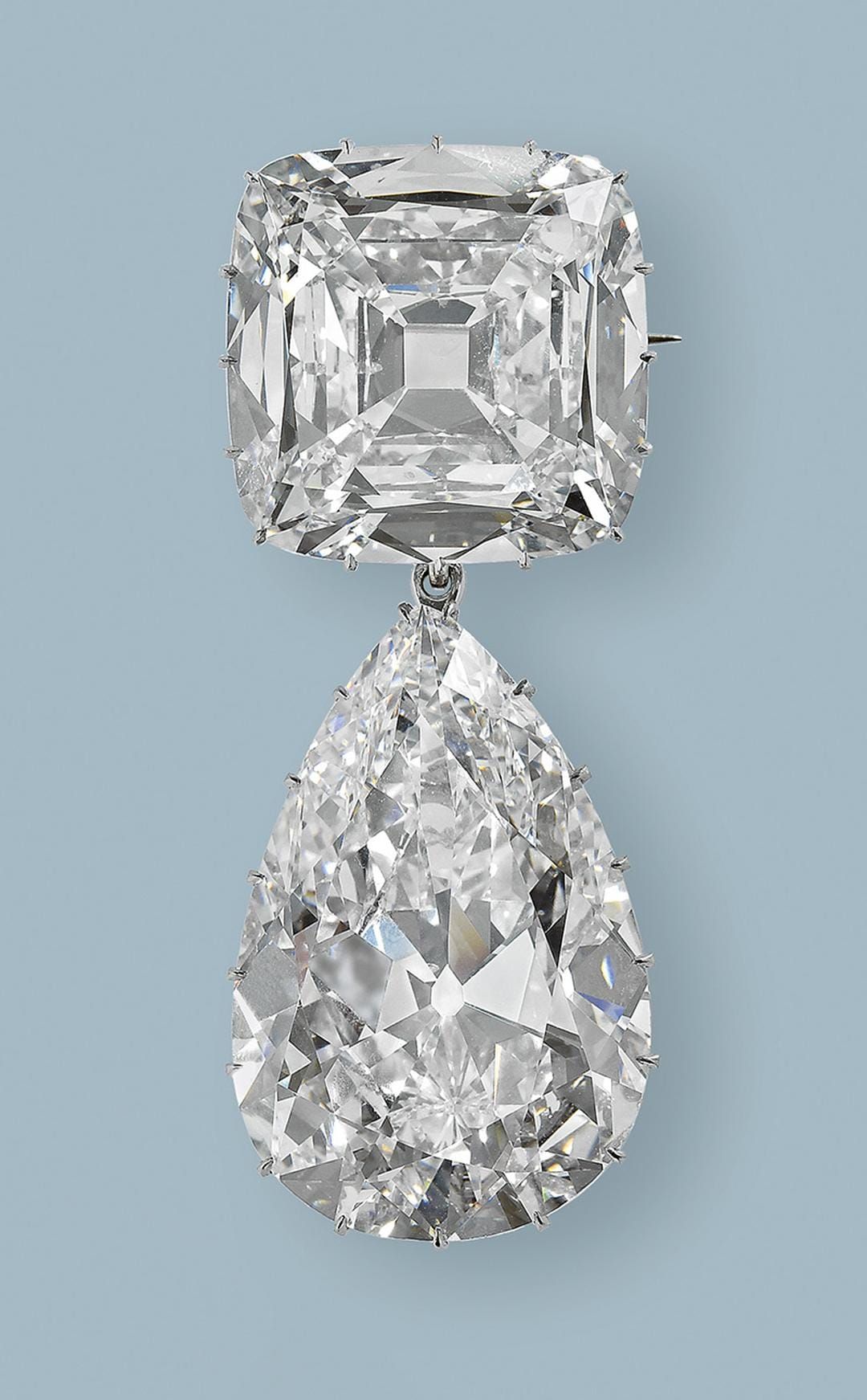
Natural and laboratory-grown diamonds may look alike. What they represent—and what buyers should expect from them—can be very different.
The real choice is not simply natural versus synthetic. It is permanence versus accessibility, rarity versus abundance, and meaning versus price.
For centuries, diamonds have inspired fascination. Their brilliance, purity, cut and extraordinary hardness have made them symbols of wealth, status and permanence—and, for some buyers, a form of investment. A natural diamond feels remarkable partly because it is the product of geological forces acting over immense spans of time.
That rarity comes at a cost. Finding and extracting diamonds requires capital, technology and human labour. The price of a natural stone therefore reflects more than its appearance: it also carries a story of geological scarcity, mining and the complex route from rough crystal to finished jewel.
Laboratory-grown diamonds have changed the equation. Produced through advanced processes that reproduce the conditions in which diamonds form, they can be created in weeks rather than over millions of years. They are not mere imitations: they share the essential chemical composition and crystal structure of natural diamonds. Yet because production can be scaled, their prices are typically much lower—and their long-term scarcity is fundamentally different.
That distinction is becoming more explicit in the marketplace. From 1 September 2026, new Russian retail rules will require jewelry containing artificially produced stones to identify them as “synthetic.” The rules also restrict language that could suggest a natural origin. For synthetic diamond material set in jewelry, the term used in Russian for a cut natural diamond will not be permitted, and weight must be stated in grams rather than carats. The stated aim is to make the divide between mined and manufactured stones clearer to consumers.
The regulation may be unusually strict, but the question behind it is universal: what, exactly, are we paying for?
A buyer drawn to natural diamonds may value rarity, geological history, tradition and the social meaning attached to a mined stone. But “investment” should be approached carefully. Retail diamonds are not automatically liquid or profitable assets; resale value depends on quality, certification, market conditions and the margin paid at purchase. Anyone buying primarily for financial return should treat the decision as due diligence, not romance.
A buyer choosing a laboratory-grown stone may be prioritising size, visual impact and affordability. It can make an impressive piece of jewelry attainable for everyday wear without the same financial commitment. What it is less likely to offer is scarcity: as technology improves and supply expands, prices may continue to face downward pressure.
There is no single correct answer. The better purchase is the one that matches the buyer’s values. If the appeal lies in owning a rare natural object shaped over geological time, provenance matters. If the goal is beauty at an accessible price, a laboratory-grown stone may be entirely rational.
The mistake is to assume that identical sparkle means identical value. To the untrained eye, the difference may be invisible. In the market—and in the meaning we assign to what we wear—it is anything but.
Editorial note: The regulatory passage reflects Russian Government Resolution No. 657 of 30 May 2026 and guidance published by the Federal Assay Chamber. The rules are scheduled to take effect on 1 September 2026.
Written by

Subscribe to our newsletter
Subscribe to our newsletter to get the latest updates and news