Who repairs beauty?

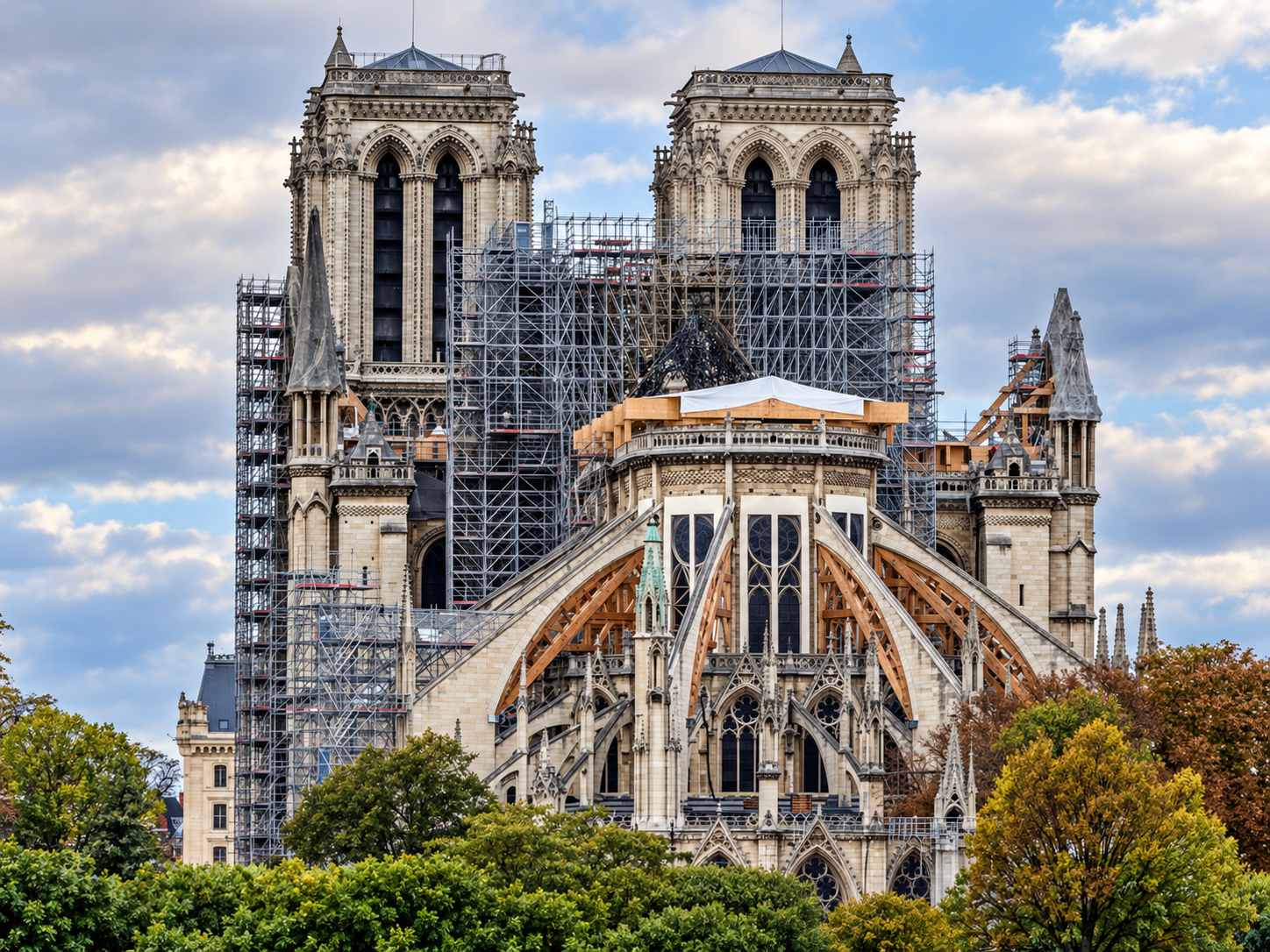
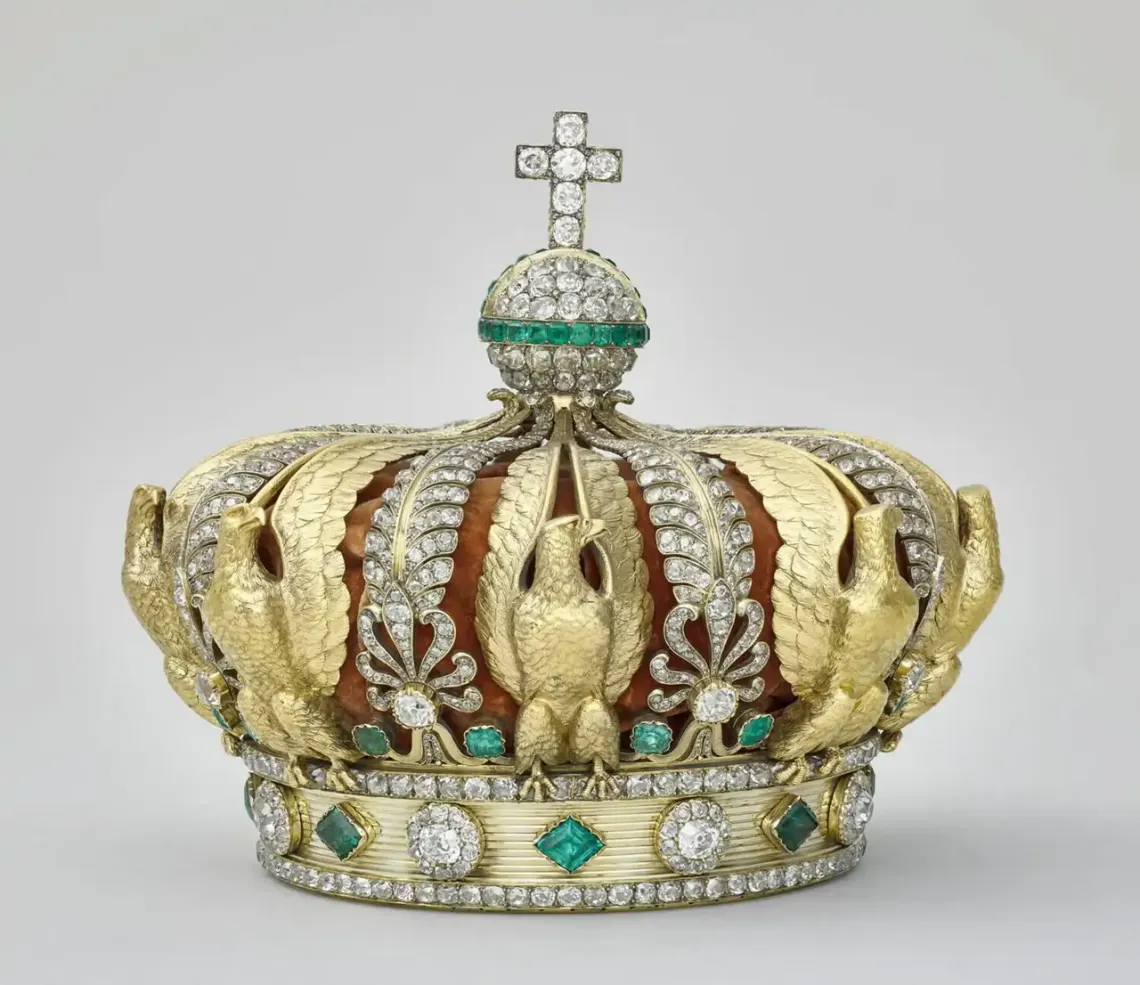
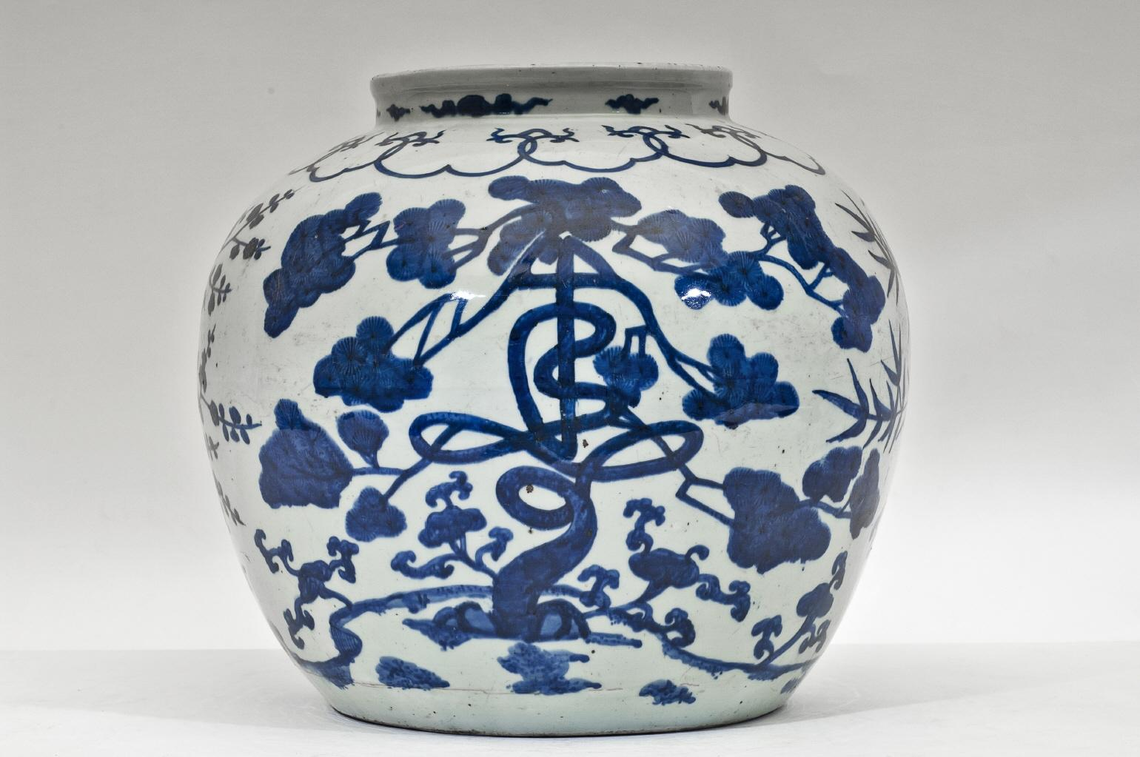
Throughout history, there has always been a particular desire to preserve objects made by human hands. Objects which, because of their beauty, the richness of their materials, their devotional purpose or simply the admiration they inspire, have come to form part of what we call cultural heritage. Heritage, however, is not simply about owning and keeping such objects. It is also about learning to look at them again, with fresh eyes, and preserving them so that they may continue to serve as references, examples and witnesses across time.
This idea took shape during the Renaissance with a specific purpose: to carry the memory of a society.
The sixteenth and seventeenth centuries were decisive in the development of this concept. During the Enlightenment and throughout the nineteenth century, greater attention was paid to the educational and evocative power of heritage. Art, and the role it played within society, became the subject of deeper reflection, helping to awaken a broader awareness of the need for protection.
It was within this context that restoration workshops began to emerge.
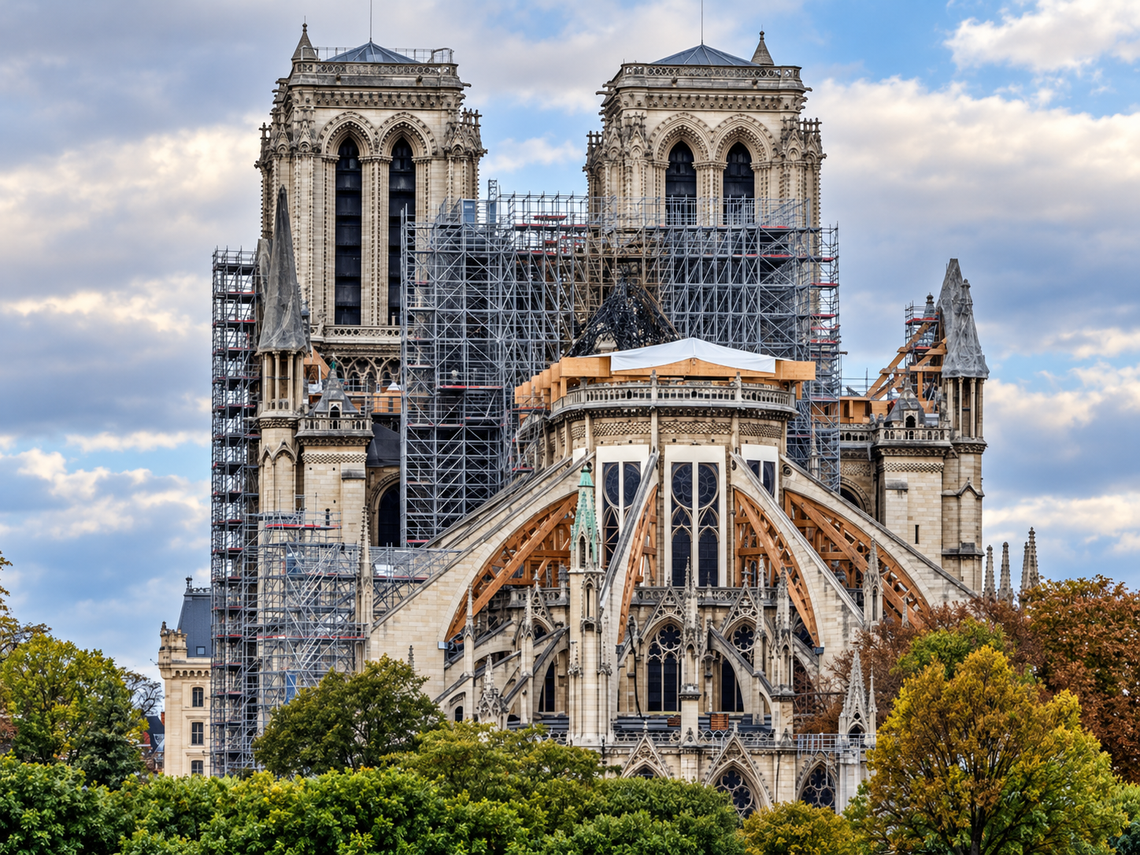
Yet our tendency to view heritage from outside the workshop can make surviving objects appear almost self-sufficient, as though they had endured simply through the passage of time. A church may look solid. An antique piece of furniture may seem to have been spared by age itself. But none of these things survives without help.
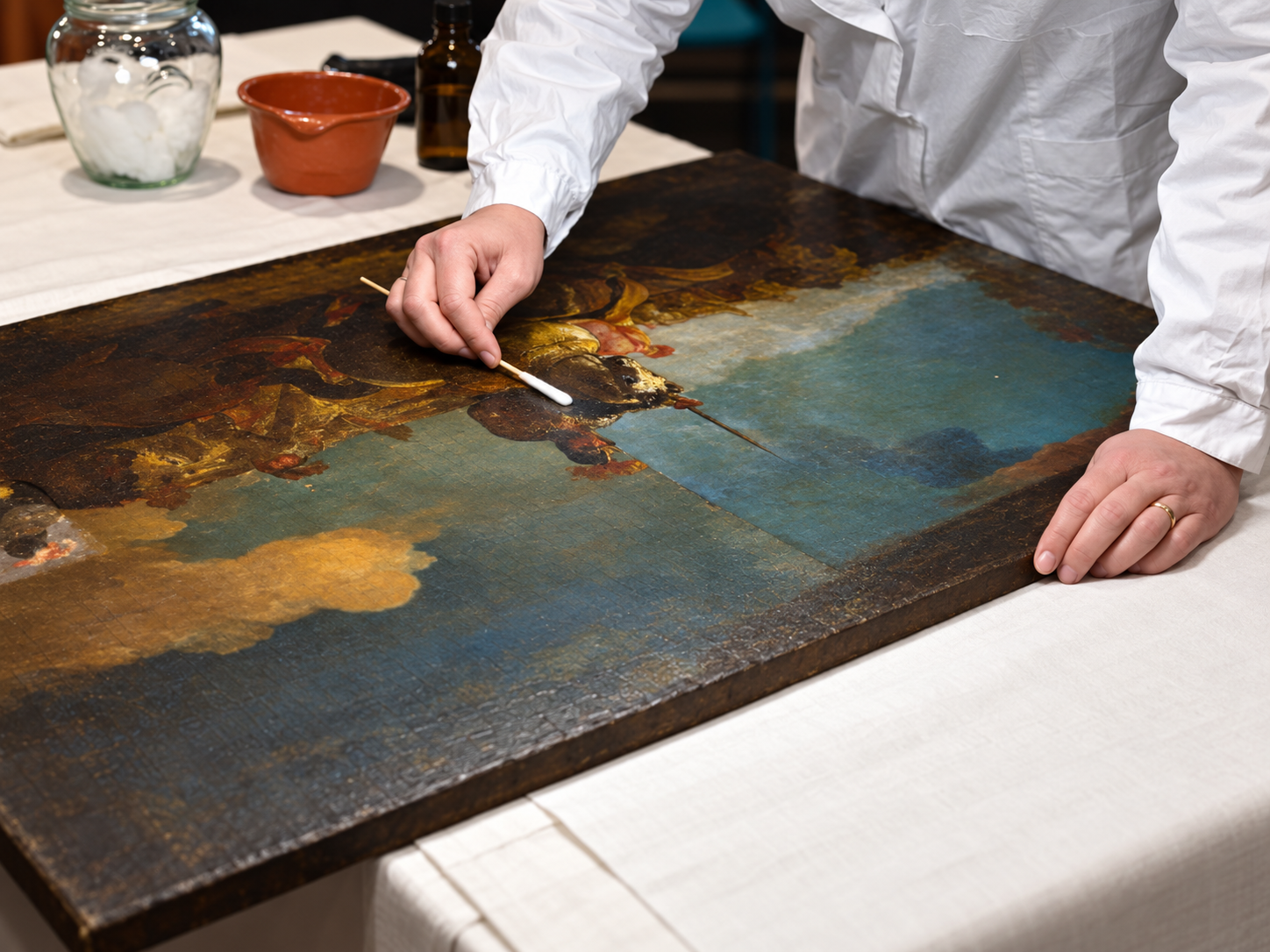
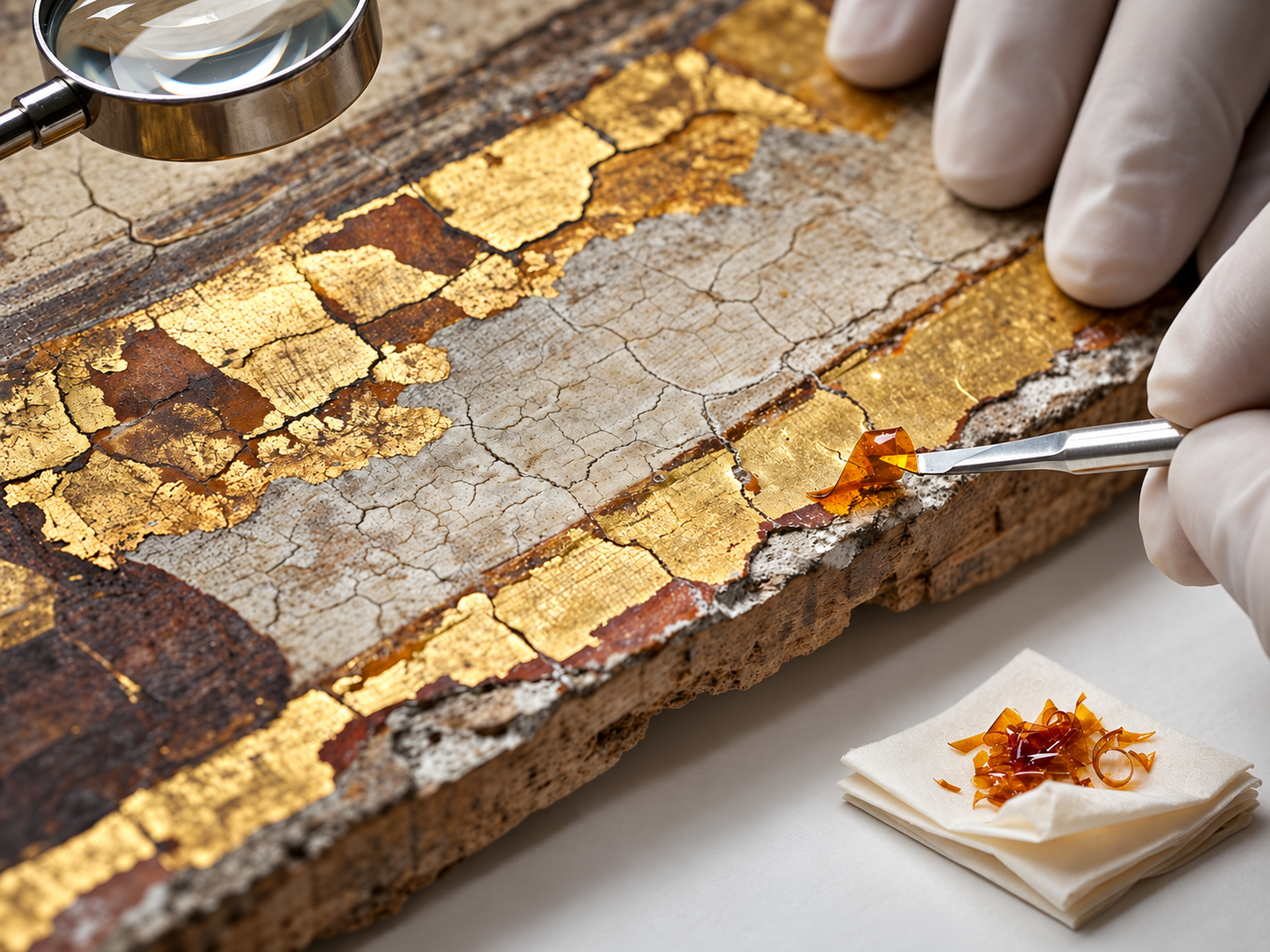
some restoration processes
Inside a workshop, materials tell their own story: their age, their weaknesses, the damage they have endured. Wood may prove far drier than it appeared at first glance. A moulding may reveal losses. A small crack that seemed insignificant from a distance can become troubling when examined closely. All of this requires specialised attention. Beauty is not abstract. It does not escape the laws of physics, however much we may sometimes be tempted to idealise it. Beauty suffers too. It makes itself felt. It cracks, warps, absorbs moisture, changes with time. It speaks. And it needs hands.
At some point, someone has chosen a piece of wood, climbed a scaffold, removed a damaged fragment or, just as importantly, decided not to intervene at all. That last decision may be one of the hardest to make.
Restoration is not about returning something to a perfect condition. More often, it means deciding what must be preserved and what may justifiably be replaced, because some marks belong to the history of the object itself.
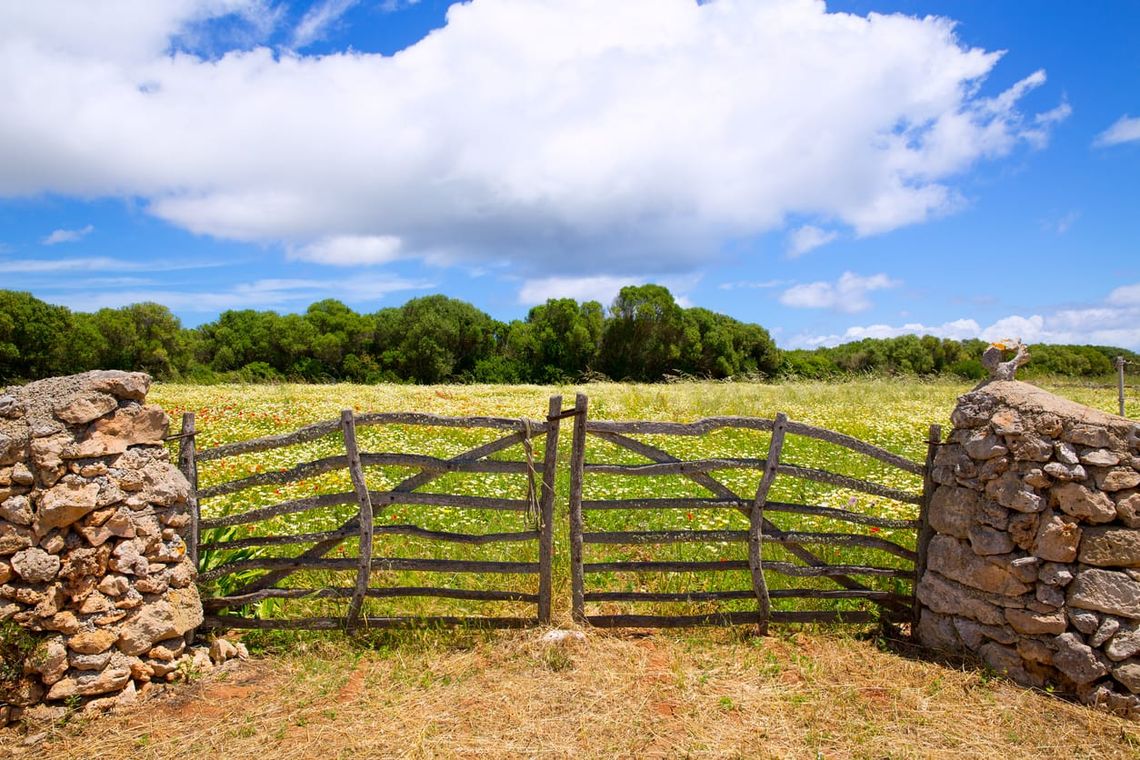
Surfaces worn down by hundreds of hands, erosion caused by rain or wind, a warped door or the uneven tone of an old painted surface are not merely signs of deterioration. They are information. Not every imperfection needs to disappear.
Today, we are accustomed to a culture of replacement. If something breaks, we replace it. If a surface grows old, we renew it. If an object no longer looks new, it can begin to lose value.
The logic of heritage conservation is almost the opposite. Here, doing too much can be just as damaging as doing too little. This may also explain why we speak so often about historic buildings and ancient objects, yet so little about the people who keep them standing and intact: stonemasons, carpenters, carvers, stained-glass makers, gilders, painting conservators, cabinetmakers, blacksmiths.
These trades often remain outside the frame. When a restoration is complete, we see the building. We see the object. We rarely see the hands that worked on it.
And yet those hands possess knowledge that is difficult to transfer to a manual: how far a surface can be cleaned before it is damaged, how wood will behave after spending years beneath water, or how to recognise the moment when a stone, in its own way, can no longer tolerate another intervention.
Some of this knowledge can be taught. The rest is acquired simply by being there: watching, making mistakes, repeating the process, learning how materials respond. For centuries, that was how a craft was passed on. One person knew how to do something, and another learned by working beside them.
Today, that chain is far less stable. Some workshops struggle to find apprentices. In certain highly specialised crafts, only a handful of professionals remain. And when a craft disappears, what is lost is not merely a job. We lose judgement. We lose the ability to recognise an earlier repair that may never have been recorded in any report. We lose the instinct that tells someone when an intervention is needed and, equally important, when to stop. We lose some of the conditions that allow heritage to survive.
There is a certain irony in protecting an object while forgetting the craft that preserves it.
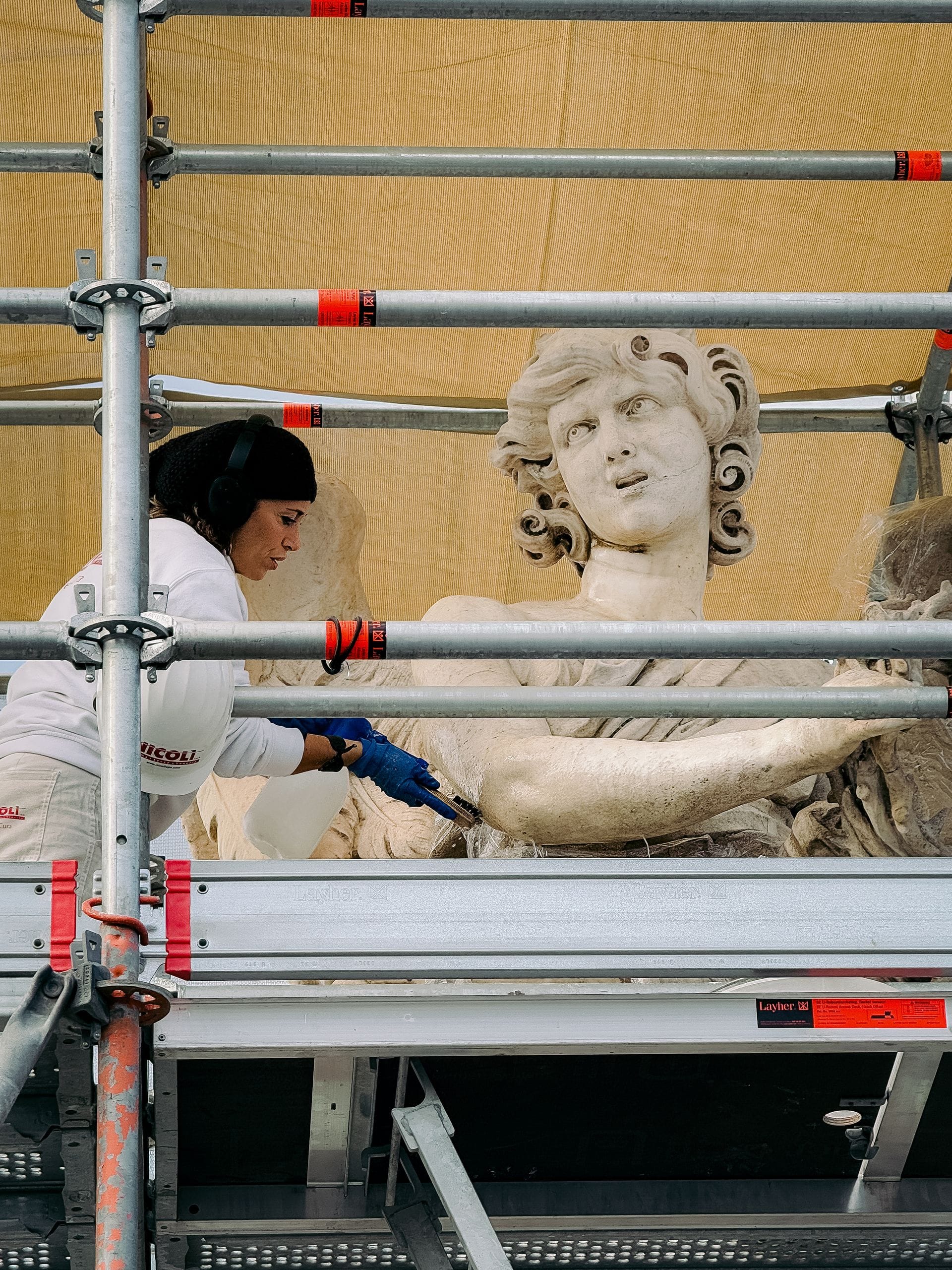
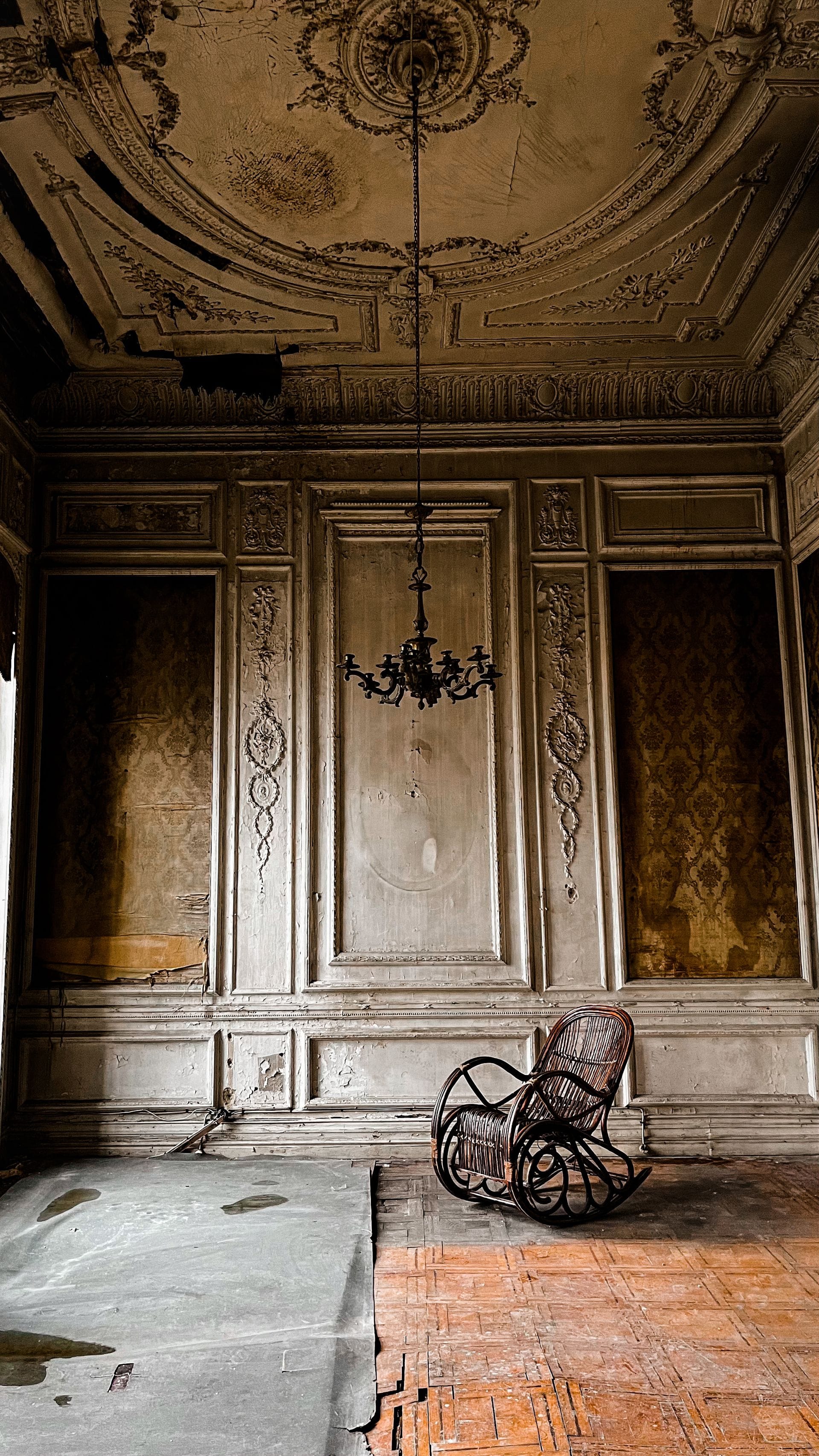
Perhaps some of the best places to understand heritage are not museums at all, but workshops. In these spaces, the past is not still. An object is dismantled, examined under light, discussed, compared with old photographs and handled with a kind of caution that has little to do with reverence and everything to do with experience.
It is slow work. Sometimes painfully slow. A surface only a few centimetres wide may require hours of attention. There is no room for haste. Perhaps that is one of the reasons these crafts continue to fascinate us.
In a society whose economy revolves around speed, replacement and scale, someone may spend an entire morning repairing a small fragment of something that existed long before they were born—not to make it new, but to allow it to continue being old. There is an important difference in that.
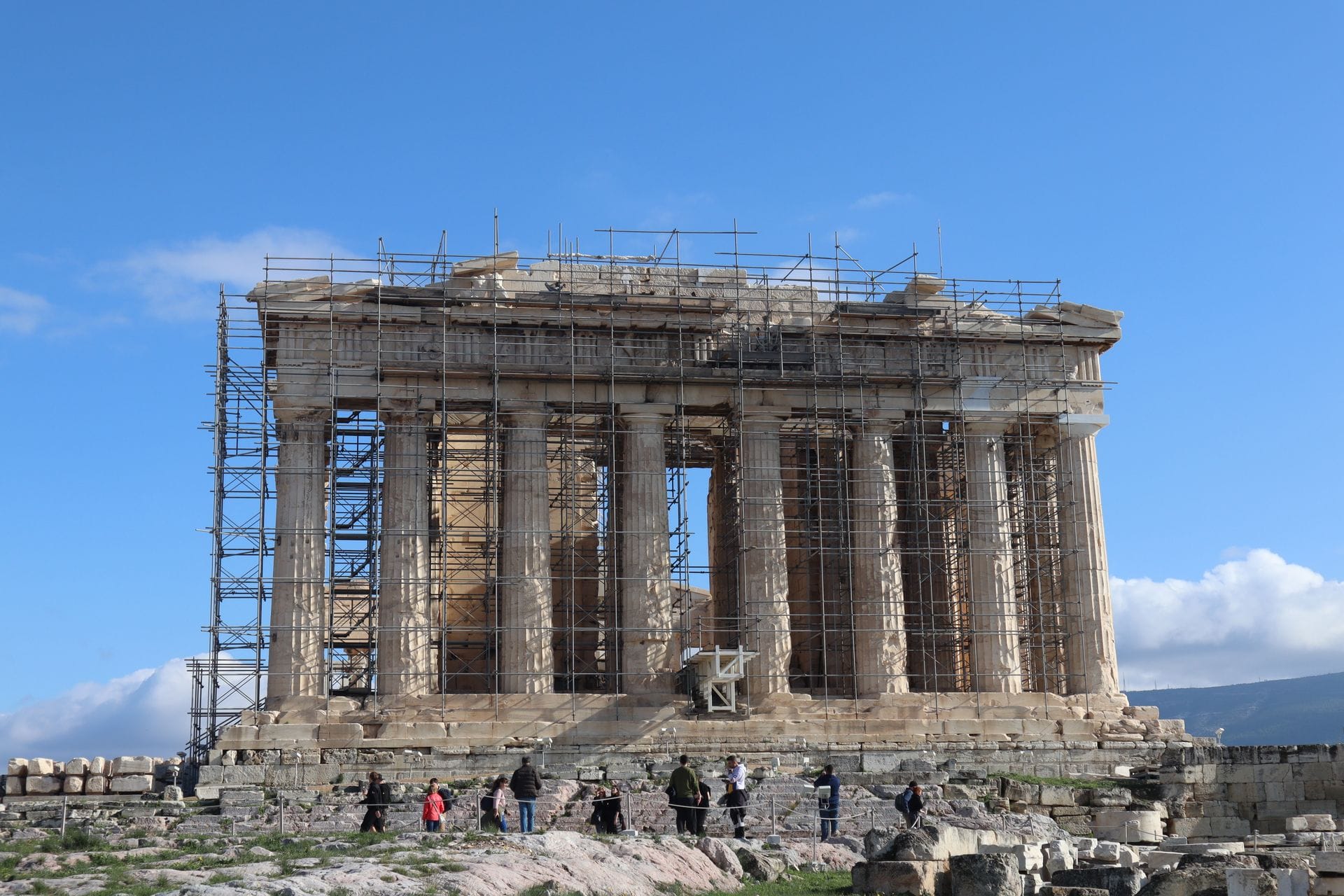
Preserving heritage is not only about protecting objects and buildings. It is also about protecting our ability to understand them, schools matter, apprentices matter, workshops matter.
Perhaps craftspeople should occupy a much more prominent place in our understanding of heritage, because a cathedral or an object may survive for centuries, a technique, a craft, may not.
Written by

Subscribe to our newsletter
Subscribe to our newsletter to get the latest updates and news