Porcelain Between Worlds: China, Manila and European Taste

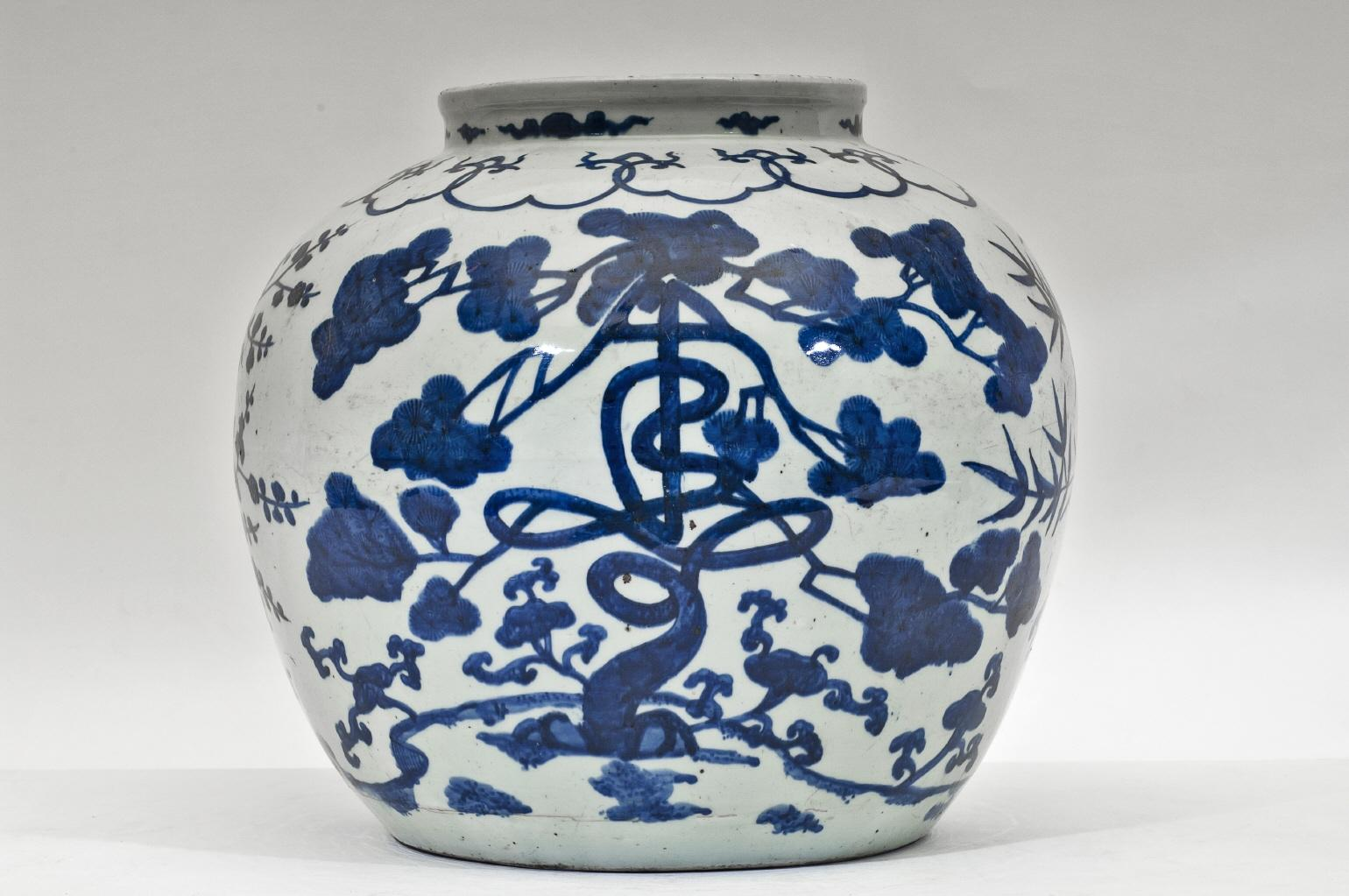
For centuries, Chinese porcelain travelled distances that are difficult to imagine today.
A plate, a bottle or a vase might leave the kilns of Jingdezhen, make its way to Manila, cross the Pacific and travel through New Spain before eventually ending up in a palace, an aristocratic home or a European collection.
The object might arrive intact. Its meaning did not always.
The Journey of an Object
Between the sixteenth and eighteenth centuries, Chinese porcelain became one of the most coveted objects arriving from Asia. Europeans admired its whiteness, the delicacy of the material, the precision of its decoration — and, not least, a technique that the West had been trying to decipher with little success.
The Manila Galleon, also known as the Nao de China, became one of the great routes through which these objects travelled. Alongside lacquerware, silks and spices, porcelain left Asia for the Americas and Europe, often ending up remarkably far from the place where it had been made.
Then something more interesting began to happen.
China started making porcelain in response to orders coming from Europe.
Made in China, Imagined for Europe
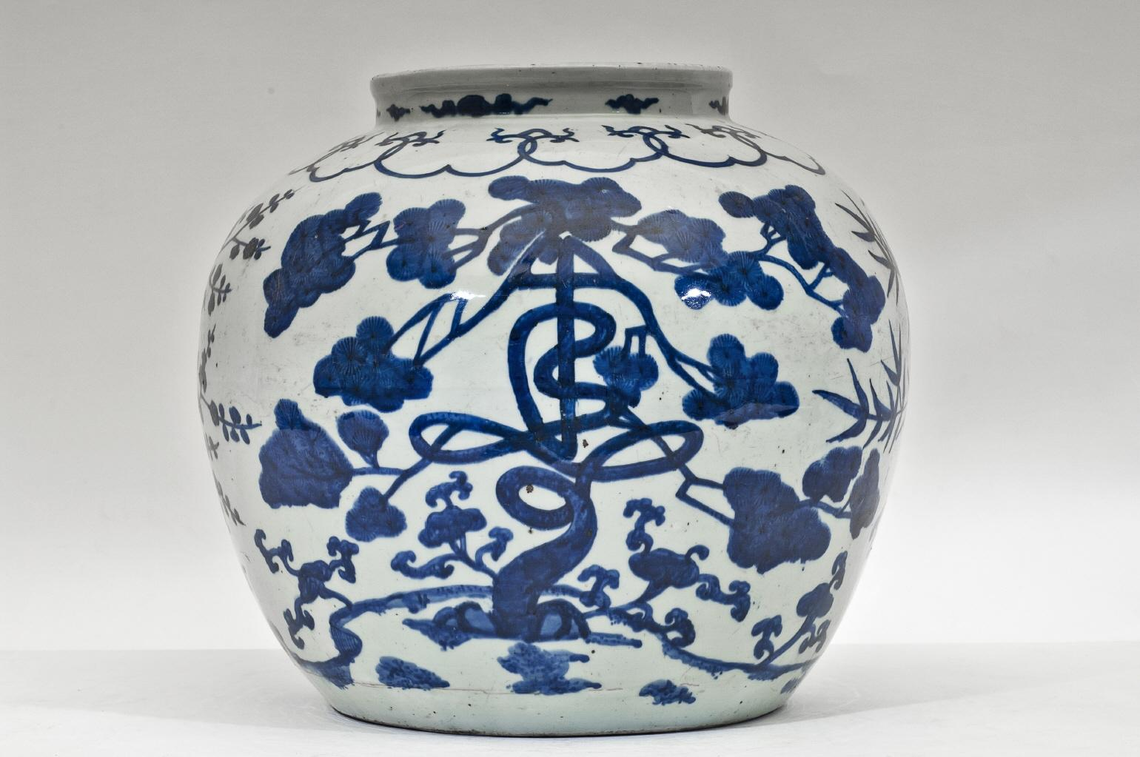
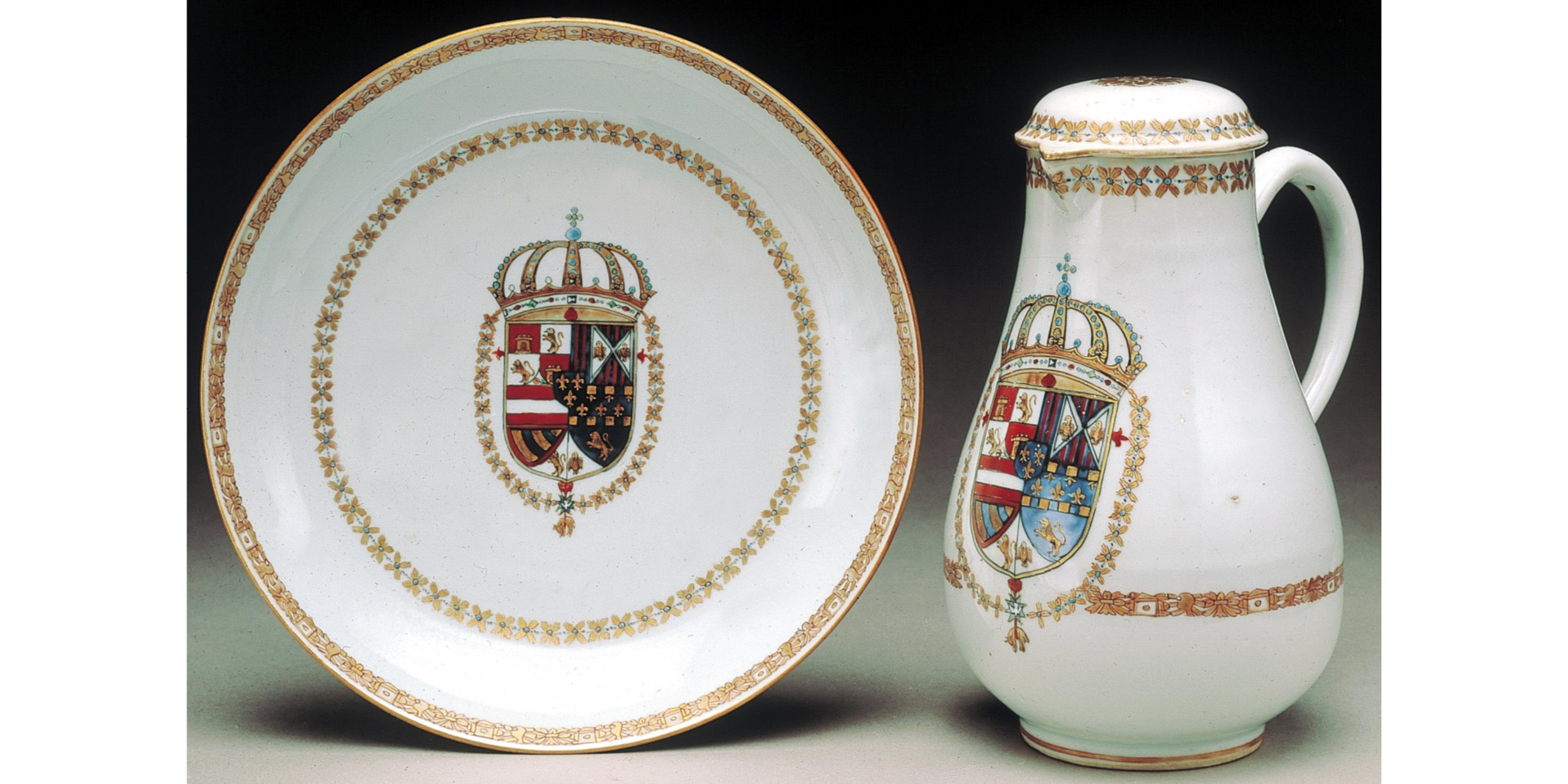
European commissions began to alter the objects themselves. Dinner services appeared bearing coats of arms; forms were adapted to Western customs; individual pieces were made for clients who, in all likelihood, would never set foot in China.
Porcelain began to inhabit two worlds.
It still depended on Chinese materials, knowledge and craftsmanship, yet increasingly it responded to European ways of furnishing a home, setting a table or simply displaying a collection.
And the process did not necessarily end when the object reached its destination.
Once in Europe, local craftsmen sometimes intervened in the work of Chinese potters they would never meet. Bottles, vases and figures were fitted with silver mounts, gilded bases or new closures.
Two hands, two cultures, one object.
The idea of authorship was already becoming harder to define.
The Gaze Travels Too
Not every transformation was physical.
A figure of Guanyin, associated with compassion in Buddhist tradition, might remind a Christian observer of an image they knew well: the Virgin and Child.
Nothing about the object itself had changed. The way it was seen had.
Perhaps this is one of the most fascinating things about these objects. When they pass from one culture to another, they do not necessarily arrive with the knowledge needed to understand them. They are viewed through different beliefs, customs and points of reference. In the process, they can acquire meanings their makers could hardly have anticipated.
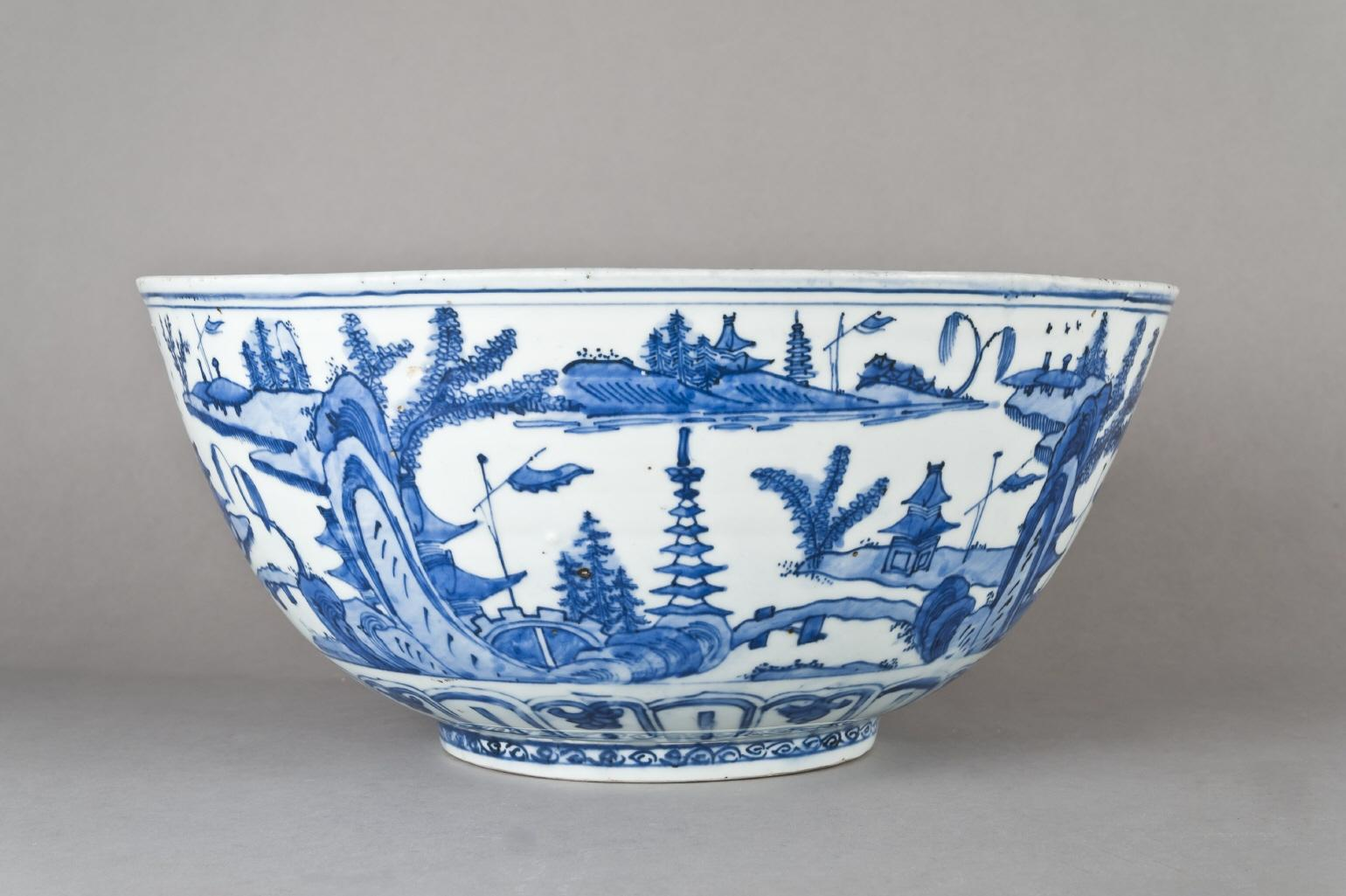
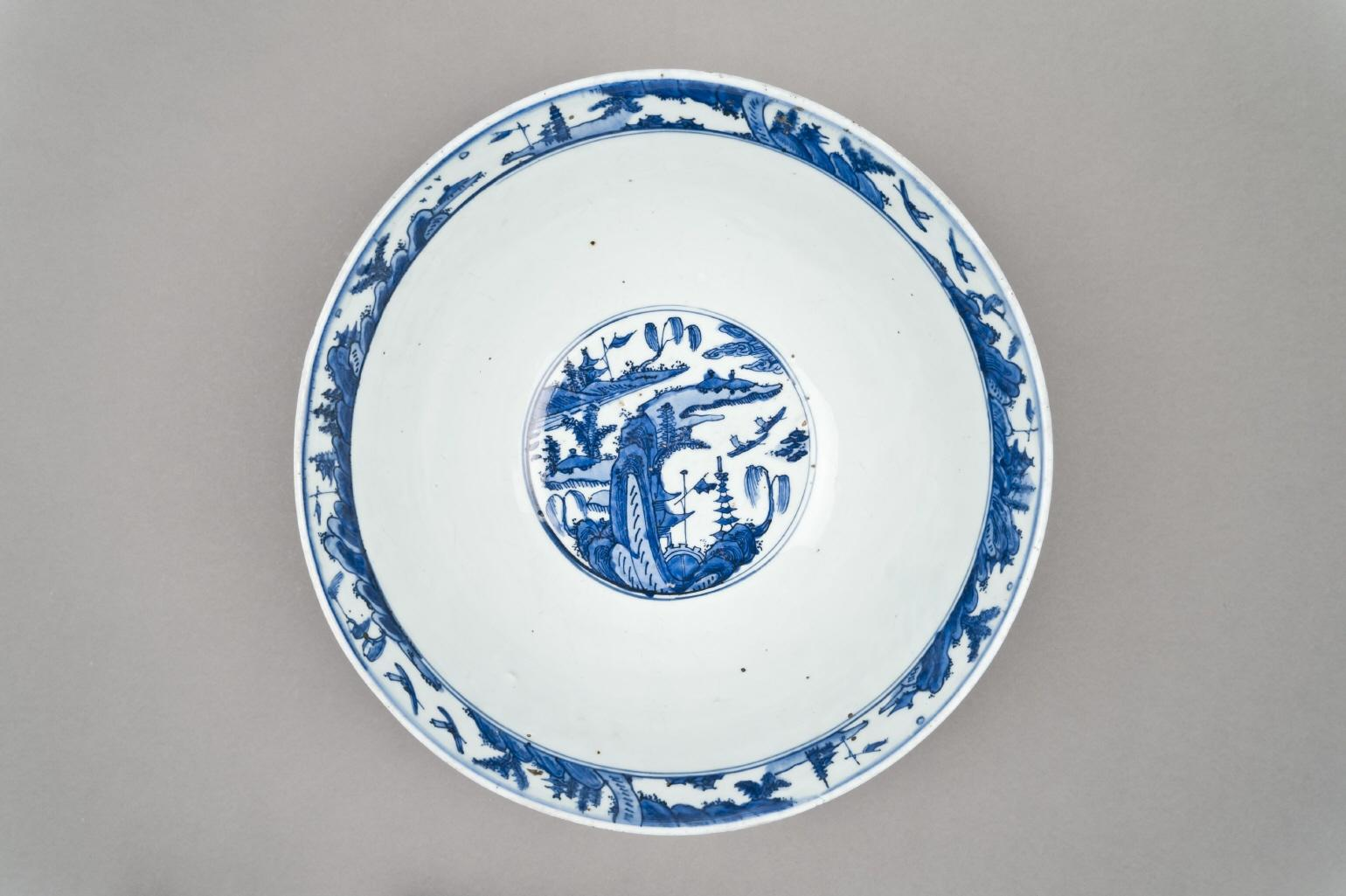
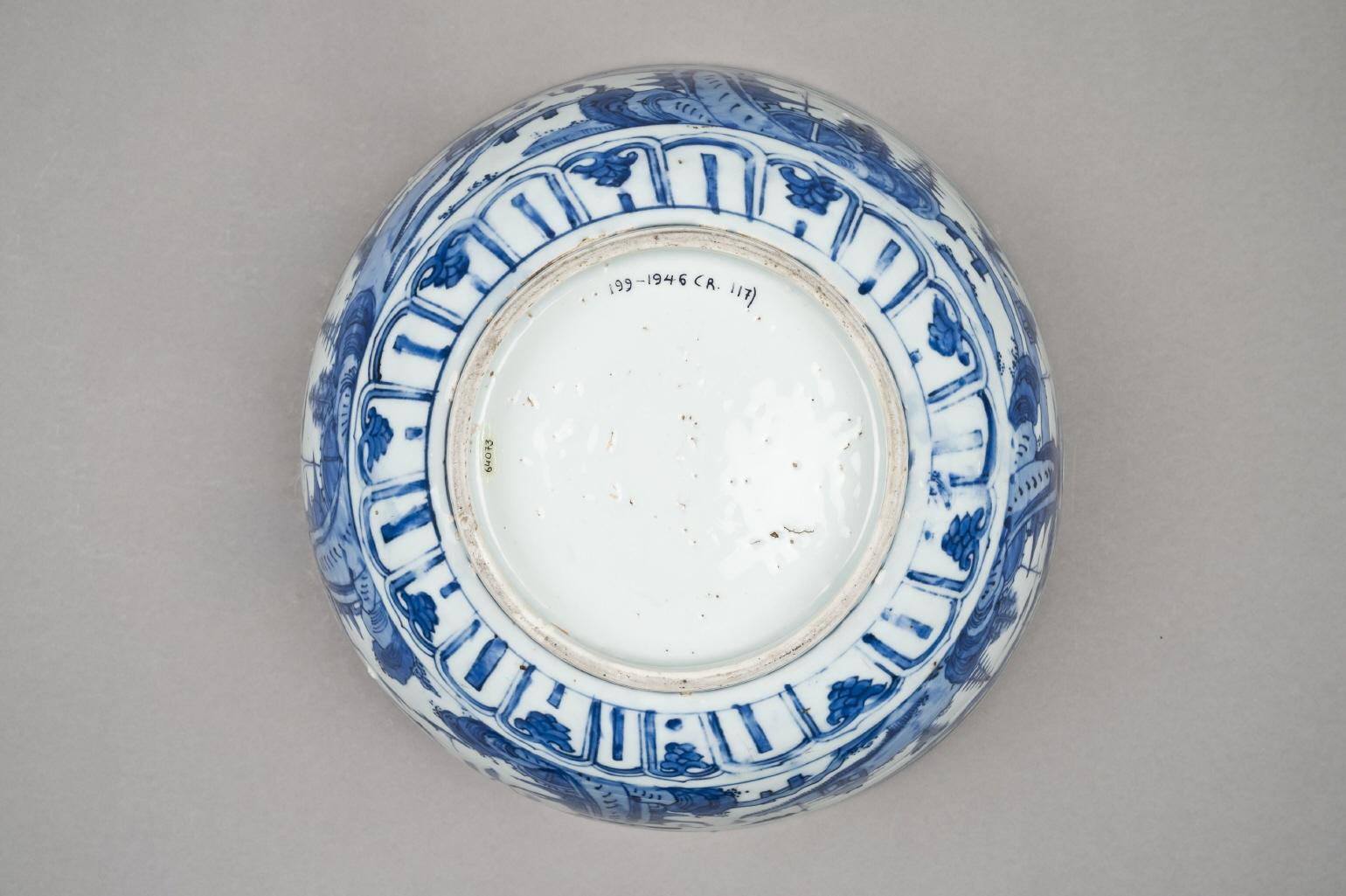
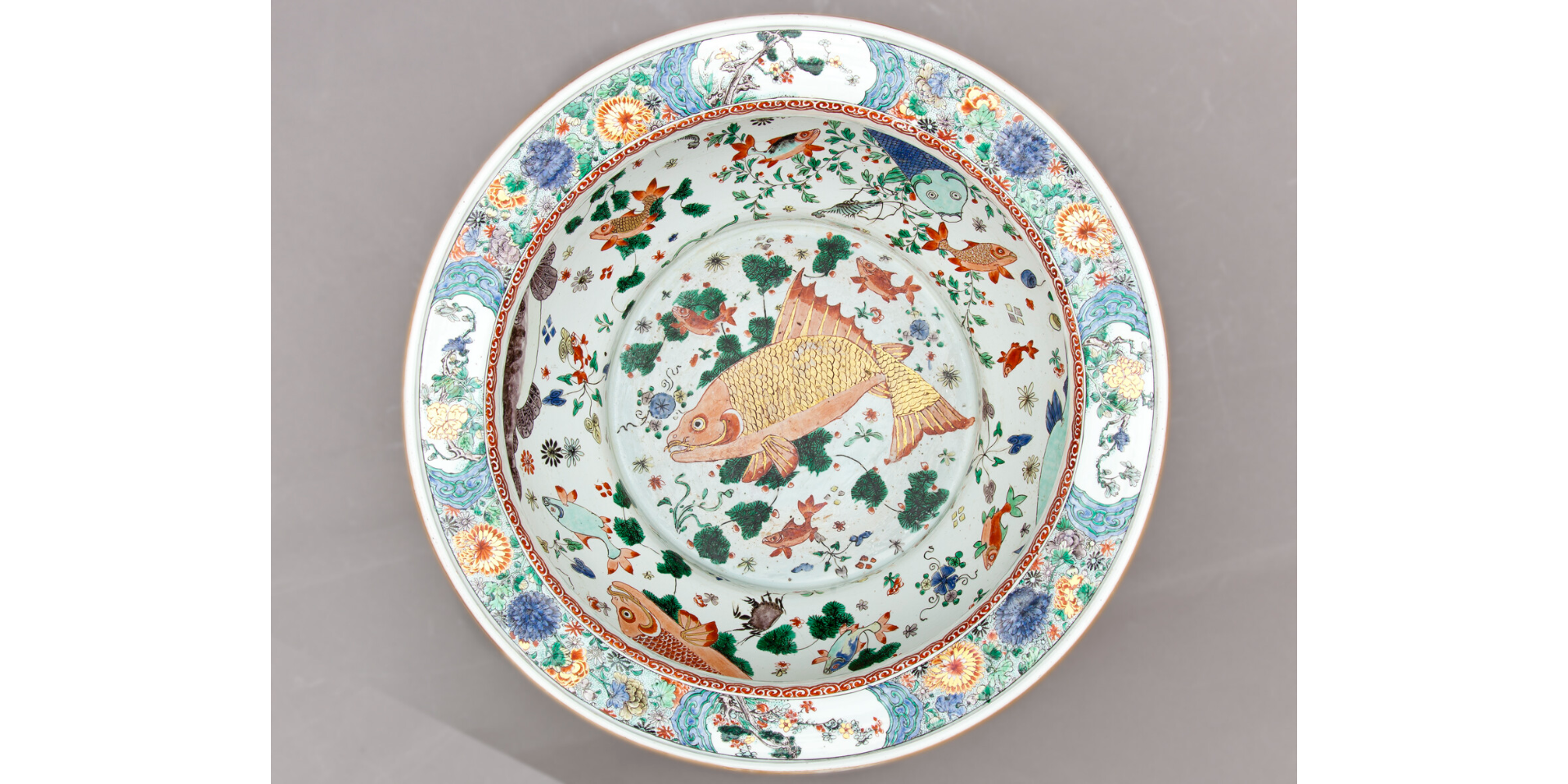
Bowl — National Archaeological Museum (Spain) — Jingdezhen — Ming Dynasty — 1575–1600
Far More Than Blue and White
Europe eventually fell in love with blue-and-white porcelain to such an extent that it became almost synonymous with Chinese ceramics.
But the porcelain travelling along these routes was far more diverse.
There were polychrome pieces, famille verte and famille rose decoration, iron reds and gilding, flowers, birds, landscapes and scenes drawn from the Chinese visual imagination.
And then there was Japan.
Imari porcelain became enormously popular in Europe. Its colours and compositions were so sought after that Chinese workshops began producing pieces inspired by them to satisfy Western demand.
From there, the trail of influence becomes difficult to follow.
China influenced Europe. Japan influenced Europe. And Europe's fascination with Japan eventually influenced what China produced for Europe.
Nothing travelled in only one direction.
Before Global Design
By the eighteenth century, so-called Chinese export porcelain made this exchange even more apparent. Many pieces were produced specifically for the European market, following forms, tastes, drawings and coats of arms supplied by those who commissioned them.
Today, we might encounter one of these objects in a museum display case beneath a simple label: “Chinese porcelain.”
Look a little closer, though, and the definition begins to feel inadequate.
A single object could bring together the hands of a potter in Jingdezhen, a merchant in Manila, a Spanish buyer and perhaps a European silversmith who altered the piece many months after it had left the kiln.
None of them needed to know the next person in the chain. The route connected them.
This is why these porcelains tell us about more than technique, decoration or luxury. They belong to a time when objects were already moving between cultures, adapting to distant markets and changing according to who commissioned them, who transformed them and, ultimately, who looked at them.
Long before we had a term for it, design could already be global.
And a single piece of porcelain could contain half the world.
Written by
Subscribe to our newsletter
Subscribe to our newsletter to get the latest updates and news