The Silent Transformation of Mahón

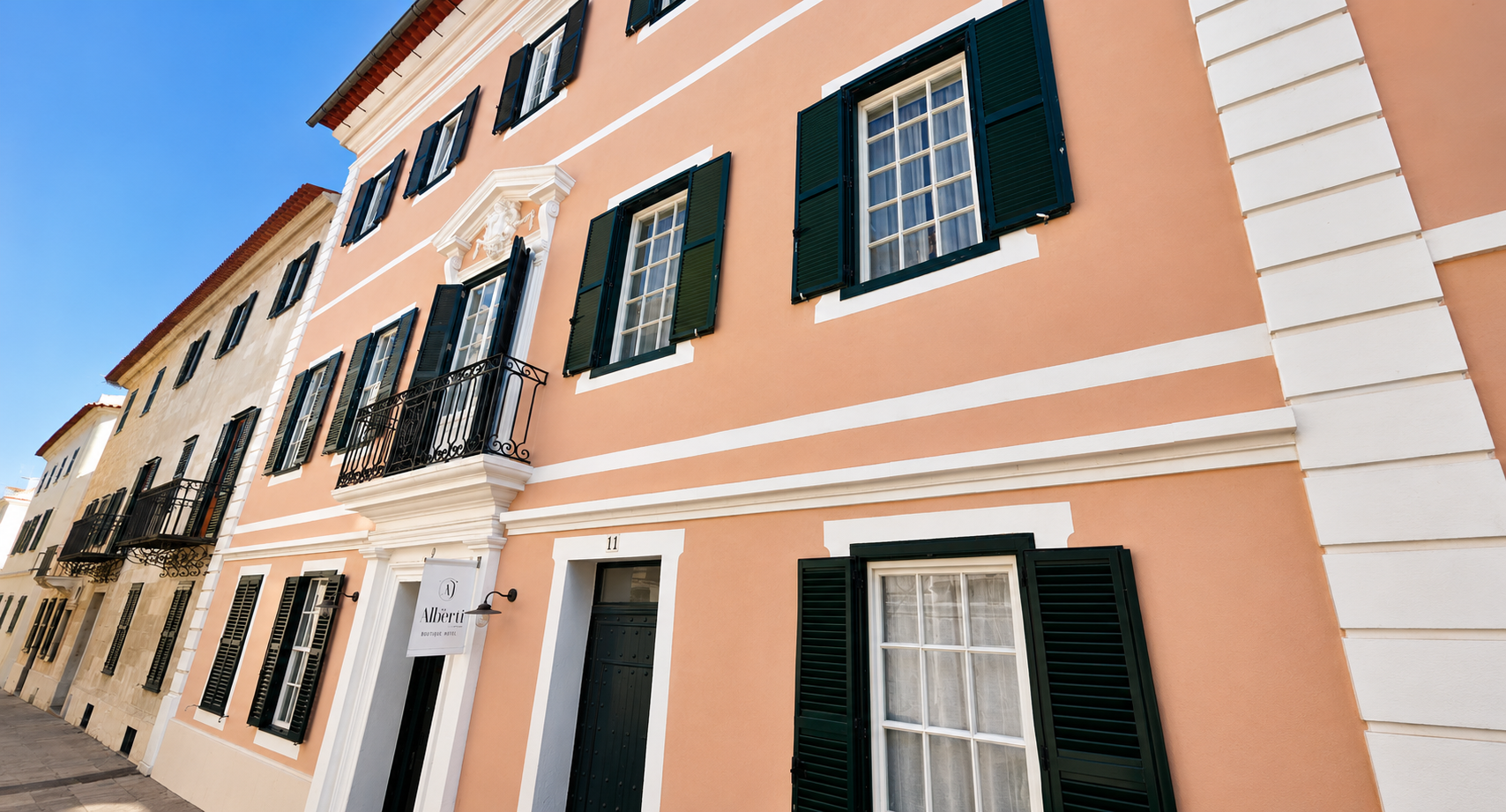
For someone born and raised in Mahón, it can be unsettling to watch the city change. Walking through its streets, those of us who have reached middle age — a kind of bridge between the Mahón of today and the one we remember from our elders — can see how the traditional way of life of our ancestors is slowly disappearing.
Sometimes, walking through the historic centre can even be painful. One day you come across, left out in the street, the old furniture that once stood in the home of one of your grandmother’s friends, waiting for a removal van to take it somewhere else. And immediately the questions begin. Have her relatives sold the house? Who has bought it? Will it be someone we know? There is something unsettling about it, a feeling of uncertainty brought on by change and by not knowing what will come next.
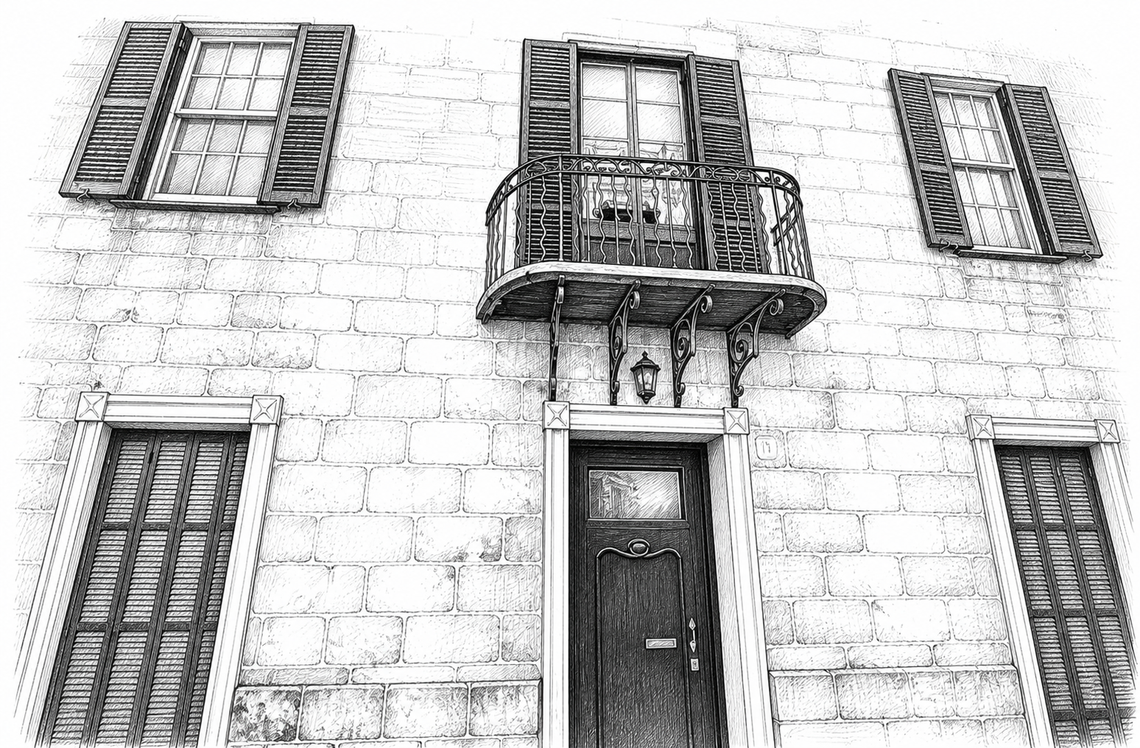
One of those days, I found myself wandering through the same streets I used to walk as a child with my grandmother, when we would visit some of her friends. I was surprised to see that several houses which had remained closed for some time were now open again — without doors or windows, builders working inside, renovation permits displayed outside listing the developer, the construction company and the details of the work. In most cases, the name of the developer no longer bore any relation to the familiar surnames of Mahón.
And so you start wondering whether the person who has bought the house will preserve it as it was, or turn it into something entirely new. Yet there is also something reassuring about seeing the works come to an end and the house return to life, moving from grey and darkness back into colour and light. By then, the name of the new owner matters less. Seeing the city come alive again is comforting.
Properties change hands, but when their doors open again, the city recovers a little of its life too.
That is what is happening in my city.
Over the past few years, Mahón has changed. New ways of understanding the city, and of imagining what it might become, have begun to emerge. The arrival of new owners, bringing different cultures and sensibilities with them, has led to new interpretations of the city and, from these, new currents have appeared. New ways of reimagining life in Mahón have taken shape through the opening of art galleries, small hotels and other projects in properties whose history, scale and character lend themselves naturally to such uses.
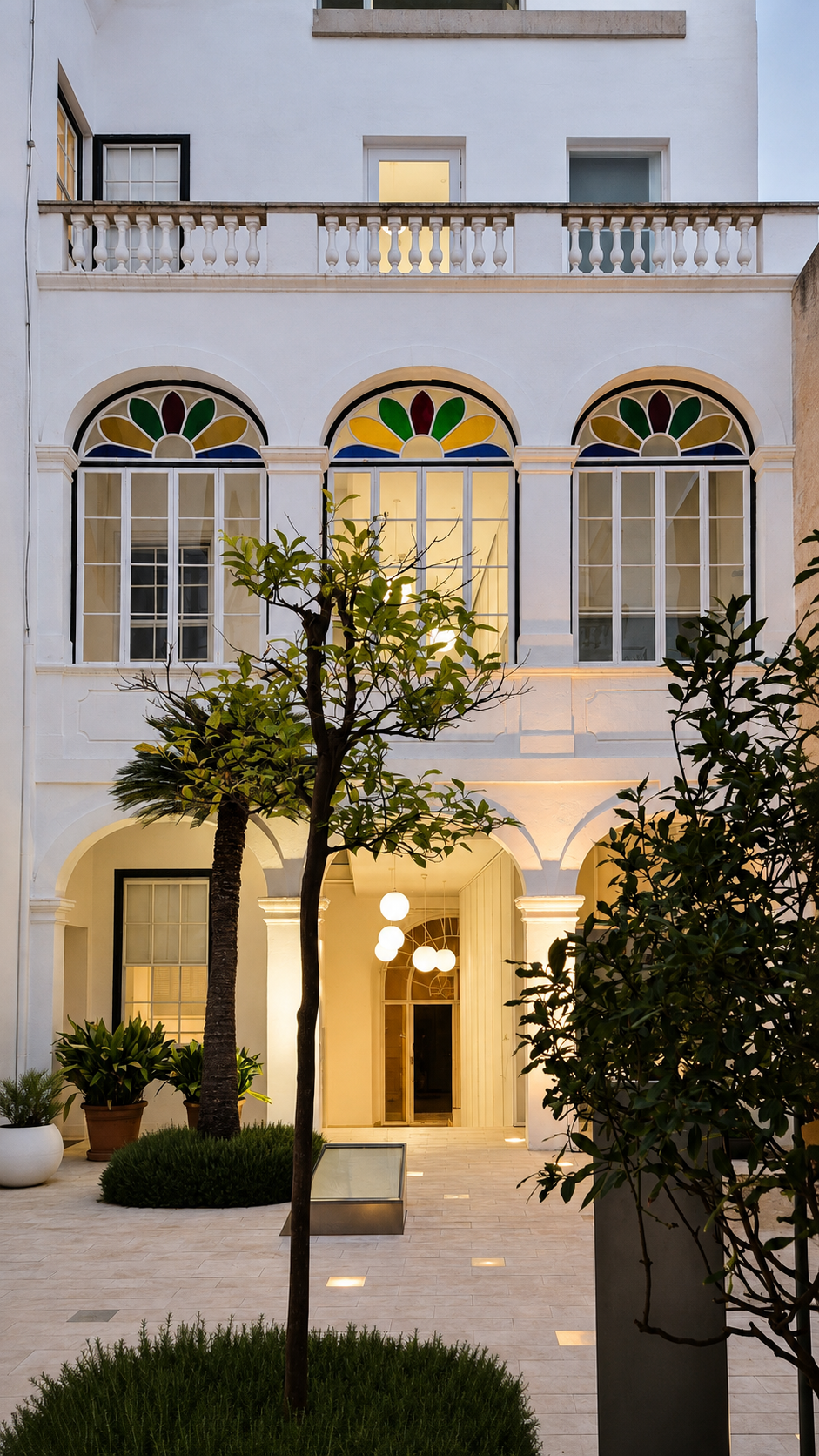
One example is Casa Gracia, a nineteenth-century property on Carrer de Gràcia — hence its name — which was once used as a nightclub. It has since been restored by the Paris-based architecture studio Laplace, working in collaboration with the Menorcan practice Maimó & Brosa. The property was acquired by artists Rashid Johnson and Sheree Hovsepian, together with the two adjoining buildings, to create their second home and studio.
The studio itself, measuring roughly 300 square metres, with high ceilings and direct access to a private garden, has been conceived as a place where artists and writers can withdraw from the outside world — somewhere time seems to slow down, allowing them to work without pressure. The large garden at the rear of the property reinforces that sense of seclusion and creates the kind of quiet in which new ideas can begin to take shape.
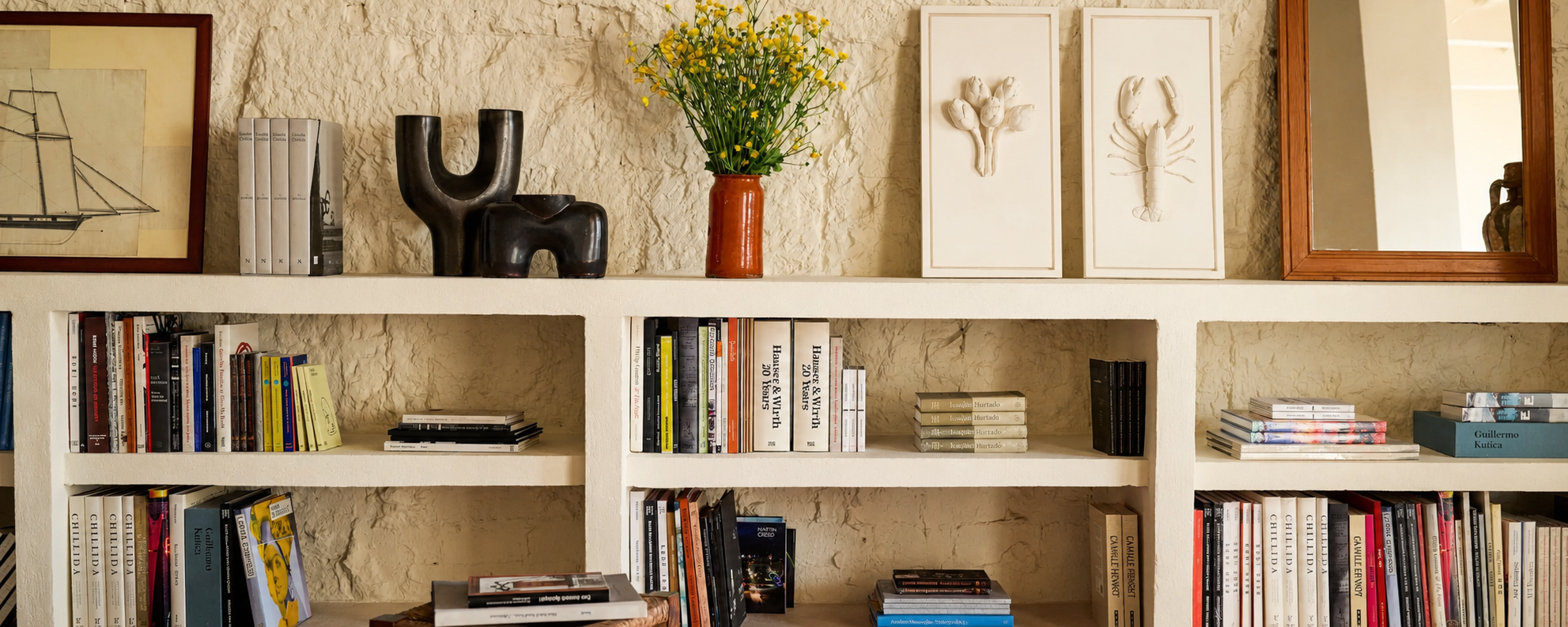
With Rashid Johnson and Sheree Hovsepian based mainly in New York, the property remained closed for much of the year. Rather than leave it empty, they decided to turn it into an artists’ residency. From spring 2027, it will welcome three visual artists and two writers each year, offering them a place to develop new or existing projects, to think, to read — and simply to work.
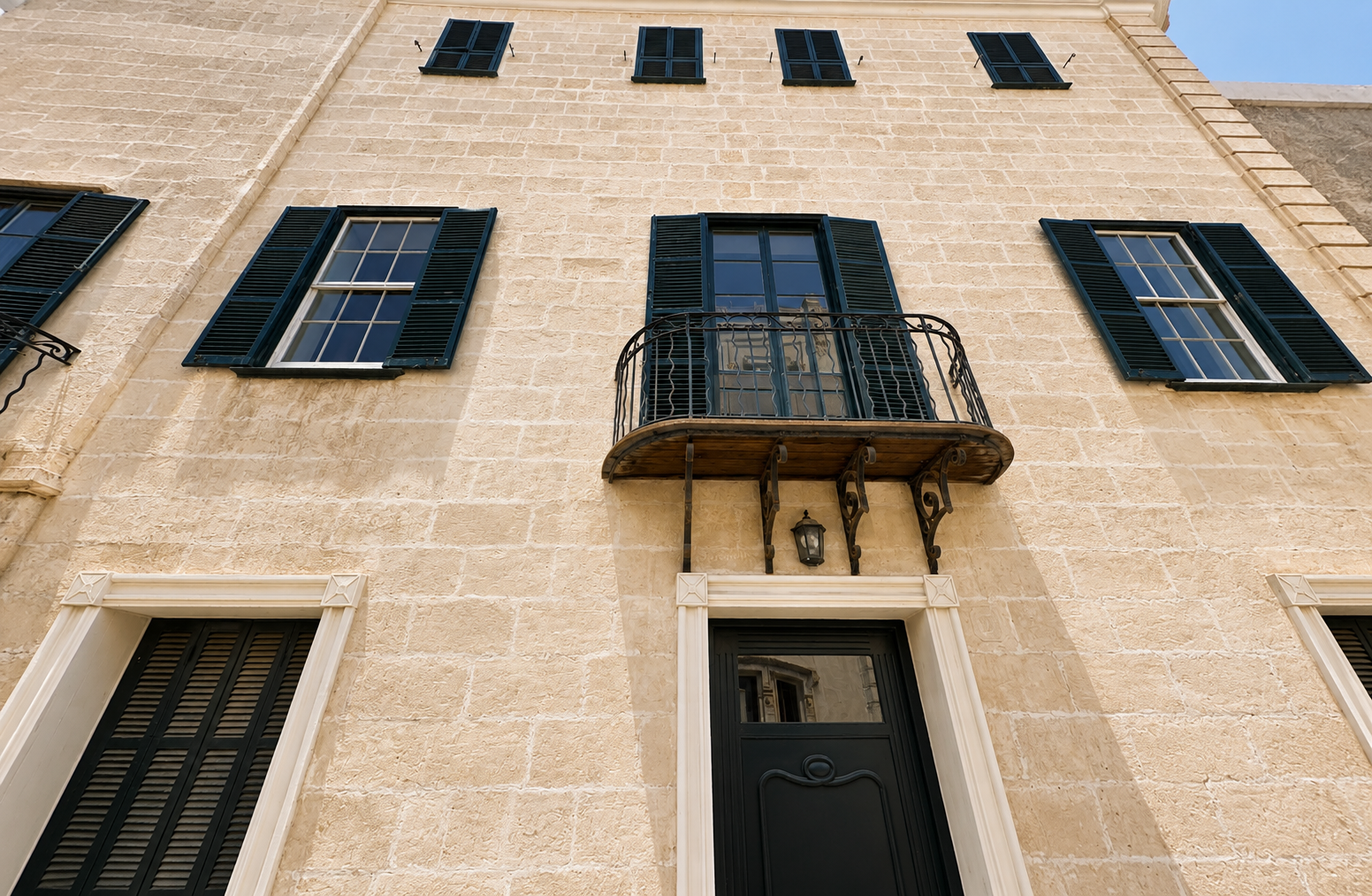
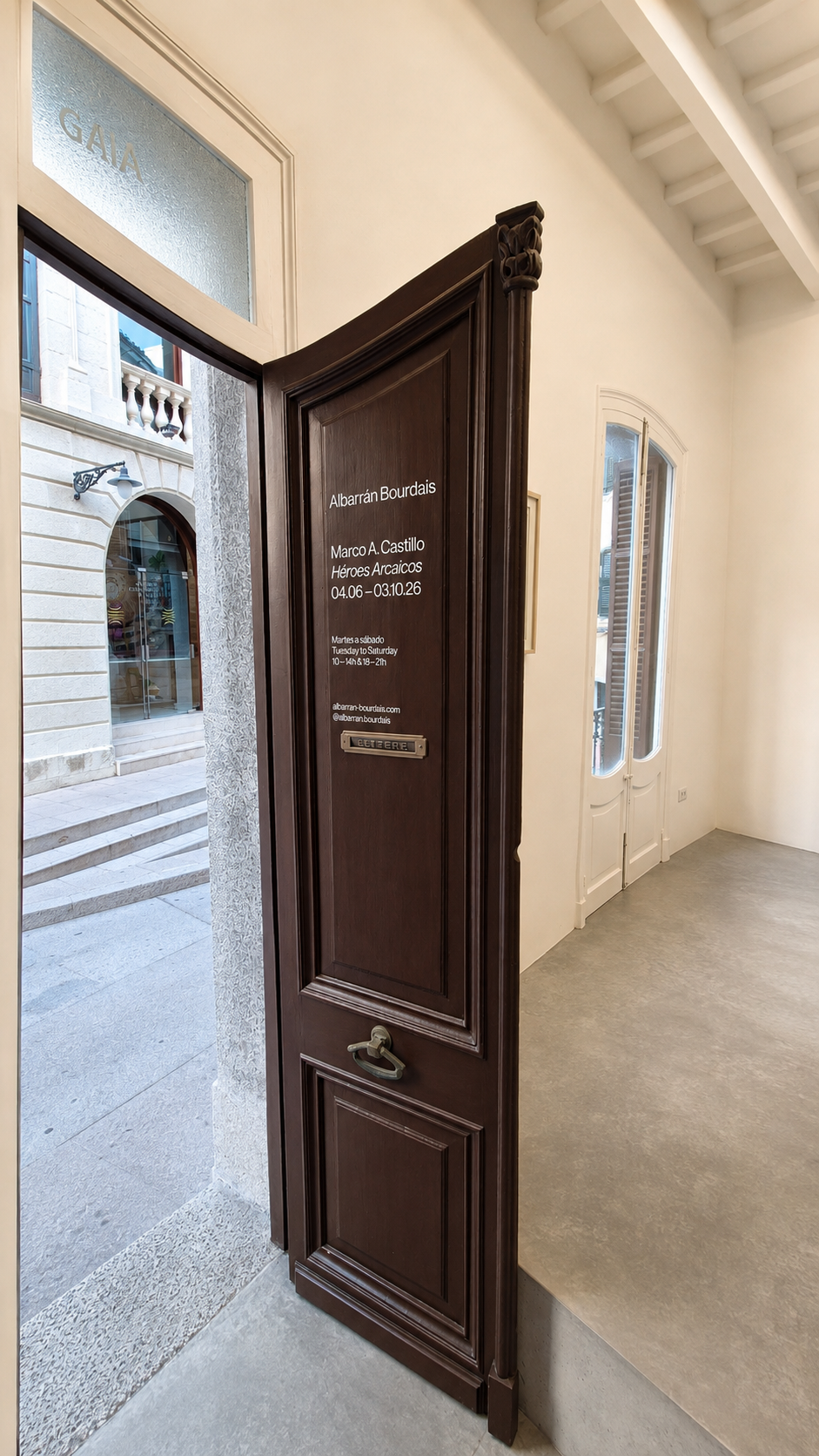
Casa Reynolds y Galería Albarrán Bourdais - Mahón (Menorca)
There are many other examples. Casa Albertí has been transformed into a hotel. Casa Reynolds, once owned by a noble Mahón family, is now a cultural centre. Sa Il·lustrada, formerly the home of an important merchant seaman, has become an exhibition space. Galería Albarrán Bourdais occupies what was once the home of Señora Rosita, who worked at the theatre box office. And I could name many more.
These places are part of the transformation taking place in the island’s capital. Mahón has, throughout its history, always welcomed other cultures while carrying its own culture far beyond the island. What is happening today belongs, in some ways, to that same story. The city is changing, making room for different ways of thinking and living — and, perhaps, becoming richer for it.
Written by

Subscribe to our newsletter
Subscribe to our newsletter to get the latest updates and news